The Fire We Have Forgotten: A Commentary on the Church, the Nation, and the Need for Revival
America's churches are fractured, her pastors are failing, and the country is morally adrift. What is needed now is not a new program or a sharper political theology.
There is a moment in the prophet Elijah's ministry when he sits beneath a broom tree and asks God to take his life. He has just called fire from heaven. He has just outrun a chariot in the power of the Spirit. And now, alone and exhausted in the wilderness, he is done. What strikes me about that scene, one of the most human moments in all of Scripture, is not the despair. It is the diagnosis. 'I alone am left,' Elijah says, 'and they seek my life' (1 Kings 19:10). He is wrong on both counts. God will tell him so. But his error is instructive: a man who has watched God move in extraordinary power can still become convinced, in the silence that follows, that the cause is lost. I think the American church is sitting under that broom tree right now.
We are exhausted by our own divisions. Hollowed out by the scandals of leaders we trusted. Compromised by a political captivity that has traded our prophetic voice for access to the powerful. And we have begun to whisper what Elijah said aloud: it is over. We are the last ones. There is nothing left to do but manage the decline. That whisper is a lie, the same lie God corrected in the wilderness, and the antidote to it is the same one God prescribed then: not a strategy, not a summit, not a new coalition. Fire.
A FRACTURED HOUSE
The American church has sorted itself into warring camps with the efficiency it has absorbed from the broader culture. On one side, congregations have collapsed the gospel into a social program, emptying it of its supernatural claim. On the other, congregations have fused the faith with a nationalism so thoroughgoing that the cross and the flag have become nearly interchangeable symbols. Neither camp is listening to Scripture. What we have built are not so much churches as political tribes with steeples, and in the process, the actual gospel gets lost somewhere between the opinion columns and the culture war skirmishes.
The church's critics are right to be suspicious when Christian leaders invoke the language of spiritual awakening while pursuing what is essentially a partisan program. Revival is not a strategy for winning culture wars. But political captivity has a cost that runs deeper than bad optics. When the church begins to see political power as the primary mechanism of its mission, it trades the birthright of prophetic independence for the pottage of access. 'Do not put your trust in princes,' the psalmist warned, not because politics is irrelevant, but because when your ultimate hope is in princes, you will inevitably compromise your witness to accommodate them (Psalm 146:3).
THE SHEPHERD'S WOUND
And then there are the scandals. We built celebrity cultures around individual leaders, insulated them from accountability, surrounded them with yes-men, and trained congregations to confuse charisma with character. The word 'pastor' means shepherd. The shepherd's calling is to be present, accountable, and cruciform. 'Not many of you should become teachers,' James warns, 'for you know that we who teach will be judged with greater strictness' (James 3:1). When shepherds wound the sheep, the sheep scatter, and scattered sheep are not simply a church problem. They are a civilization problem.
WHAT REVIVAL ACTUALLY IS
Revival, properly understood, is the sovereign work of God in which He restores spiritual life to a dormant church and, through that church, to the wider society. It is not a technique. It is not a conference. It is the movement of the Holy Spirit through a humbled, praying, repentant people, producing consequences no human program could engineer. The biblical vocabulary is instructive: the psalmist cries, 'Will you not revive us again, that your people may rejoice in you?' (Psalm 85:6). The presupposition is that spiritual life can diminish, and that restoration comes only from above.
The biblical record is full of these moments. Josiah's reformation began when the Book of the Law was found in a temple so neglected it had simply been lost (2 Kings 22). Nehemiah's rebuilding of Jerusalem began not with a construction plan but with corporate confession: 'I and my father's house have sinned' (Nehemiah 1:6). At Ephesus, revival was confirmed when new believers burned their magic books, fifty thousand pieces of silver's worth, in public. 'So the word of the Lord continued to increase and prevail mightily' (Acts 19:20). Repentance is always the door through which revival enters.
"If my people who are called by my name humble themselves, and pray and seek my face and turn from their wicked ways, then I will hear from heaven and will forgive their sin and heal their land." (2 Chronicles 7:14)
HOW FIRE FALLS, AND WHAT IT DOES
Every great revival in the historical record begins the same way: not in the largest churches or with the most celebrated ministers, but in obscurity, in prayer, through broken and desperate people. The Welsh Revival of 1904 began with a twenty-six-year-old who had prayed for eleven years. The Hebrides Revival of 1949 was preceded by two elderly sisters who prayed through the night, week after week, in their cottage. The First Great Awakening began in Northampton, Massachusetts, where Jonathan Edwards preached through Romans and watched his congregation undone. The antecedents are always the same: prayer, humility, and a willingness to wait on God rather than manufacture results.
And the fruit is always social as well as spiritual. Wilberforce's campaign against the slave trade was a revival-born movement. The Second Great Awakening fueled abolition, prison reform, and the education of women. Genuine revival reaches where policy cannot, because it operates at the level of the human heart. Policy can constrain behavior. It cannot change desire. Only the Spirit of God can do that, and when He does it at scale, the effects on a society are incalculable.
A CALL TO THE KNEES
So here is what I want to say to pastors: you have been given a stewardship unlike any other, the proclamation of the gospel of Jesus Christ, the care of souls made in God's image. Some of you have discharged it faithfully, week after week, in obscurity, without the platform the celebrity culture has taught us to treat as significance. But some of you have drifted. You have let prayer become a ritual box to check before the real work begins. You have neglected the interior life and tried to compensate with activity and strategy. The prophet Joel was direct: 'Between the vestibule and the altar let the priests, the ministers of the Lord, weep and say, "Spare your people, O Lord"' (Joel 2:17). Repentance does not begin in the pews. It begins in the pulpit or before the pulpit, in the quiet place where the pastor meets God before he meets anyone else.
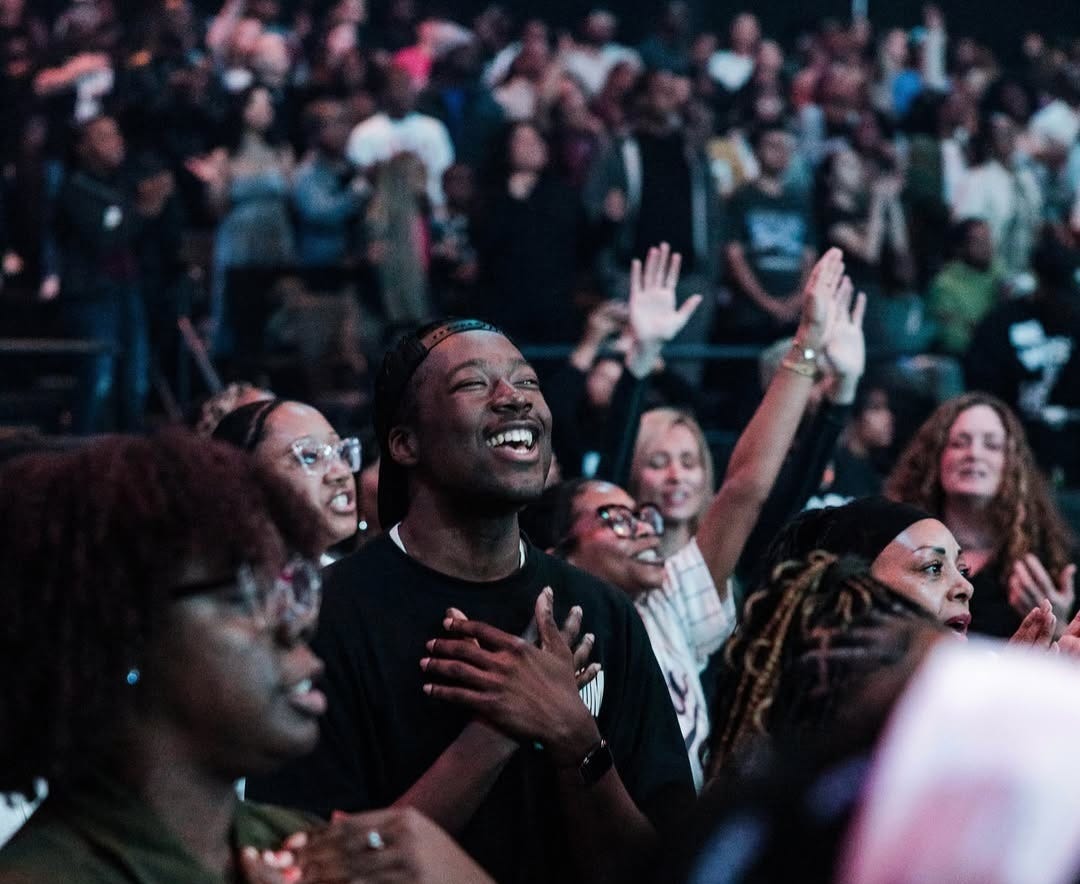
And to the people: you are not consumers of religious goods. You are, if you belong to Christ, members of the body through which God has chosen to make His appeal to the world. Pray for revival, not as one item in a balanced spiritual portfolio, but as the primary labor. The great revivals were born in prayer meetings that most of us would find inconveniently long and uncomfortably earnest. They were attended by people so desperate for God that they were willing to stay until He came.
"And will not God give justice to his elect, who cry to him day and night? Will he delay long over them? I tell you, he will give justice to them speedily." -Luke 18:7–8
God told Elijah that seven thousand in Israel had not bowed to Baal. The cause was not lost. It never was. The fire we need is not a fire we can start, but it is a fire we can prepare for, by clearing the altar, stacking the wood, and calling out to the God who has never, in all the centuries since Carmel, grown reluctant to answer. Pray for revival. Pray as if the church depends on it. Pray as if the country depends on it. It does.
Scripture citations from the English Standard Version (ESV) unless otherwise noted.


